Stirred Pressure Autoclave Reactor
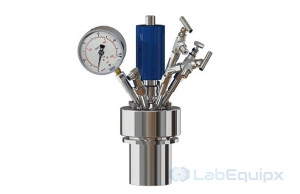
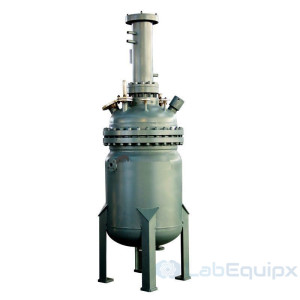
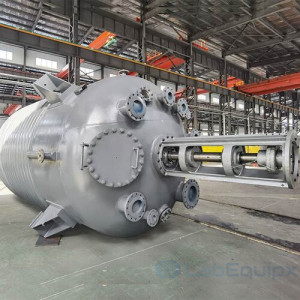
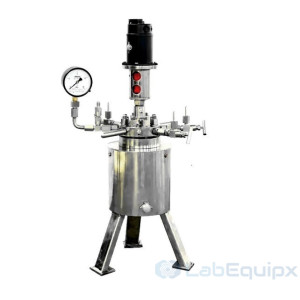
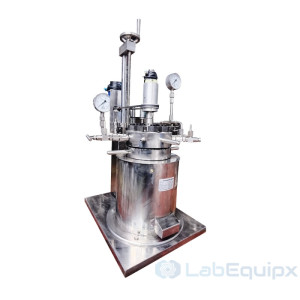
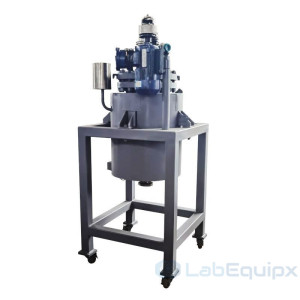

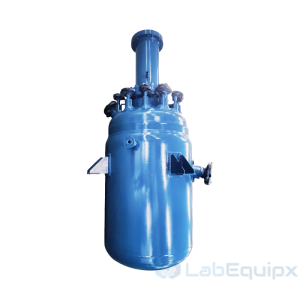
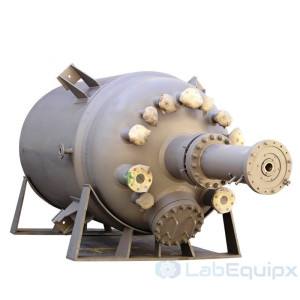
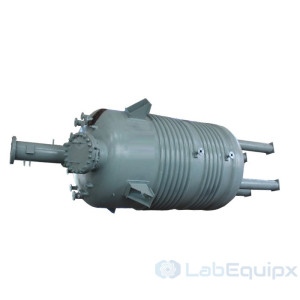
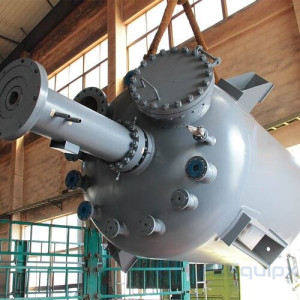
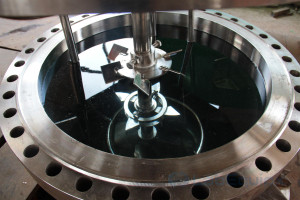
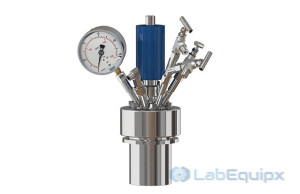

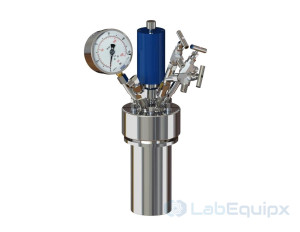

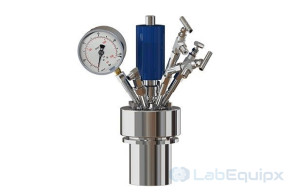


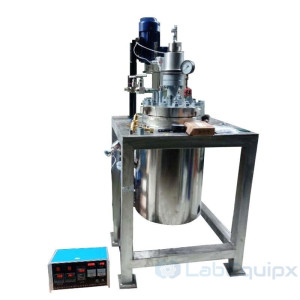
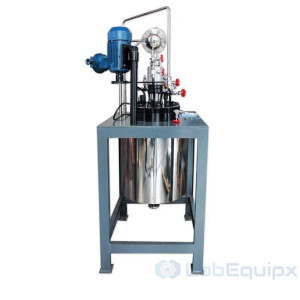
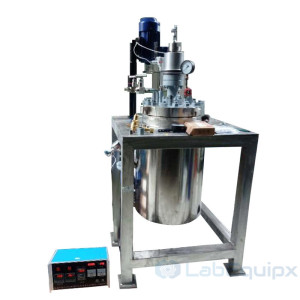
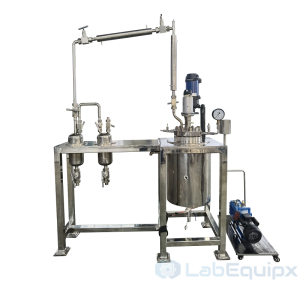


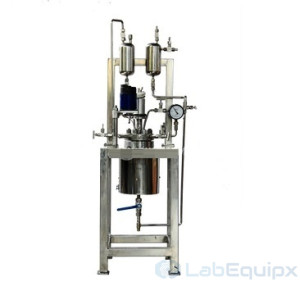
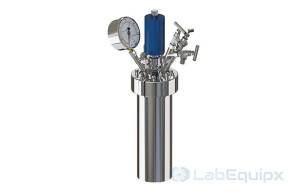

A stirred pressure autoclave reactor is a closed vessel with an internal agitator, external heater and control panel, built to hold a liquid or slurry under gas pressure at temperature while it is mixed. Coretest supplies these autoclaves to laboratories, pilot facilities and small-scale manufacturers of fine chemicals, pharmaceuticals, catalysts and petrochemicals, from 100 mL to 1000 L.
What the range covers
- Stirred Pressure Reactor Autoclaves LE100MlSPRA to LE10lSPRA: 100 mL to 10 L, design pressures of 100, 200 or 350 bar at 300 °C or 500 °C
- Lab Stirred Pressure Reactor LSPR100ml/50l: 100 mL to 50 L, to 300 bar and 500 °C, bench top, floor stand or moveable cart
- Vertical Stirred Pressure Reactors: 100 L to 1000 L jacketed pilot vessels, to 300 bar and 300 °C
Engineering features
Laboratory autoclaves use a removable head and vessel with a split clamp closure and clamp bolts. The gasket is PTFE to 300 °C or spiral wound Grafoil to 500 °C. Wetted parts are SS-316L as standard; Hastelloy B/C, Inconel, Monel, titanium and zirconium are quoted for corrosive or hydrogen service. Pilot vessels above 100 L have a flanged top head, ellipsoidal bottom and steam jacket.
The stirrer shaft passes through a zero-leakage magnetic drive coupling, sized from M-08 (8 kg-cm) at 100 mL to M-80 (80 kg-cm) at 10 L. A solid shaft carries pitched blade turbine impellers, or an anchor for viscous pilot batches. The motor is 1/4 hp or 1/2 hp with variable frequency drive, or explosion-proof for zone 1.
An external ceramic band heater is run by a PID controller with high temperature alarm, cascade for 500 °C designs. A Pt100 in the thermowell reads process temperature. Standard fittings are a pressure gauge, Inconel rupture disc, gas inlet and sampling valve on a dip tube, vent valve and cooling coil. Larger vessels add a flush bottom valve, baffles and chain hoist.
Selecting a configuration
These inputs fix the model, alloy, coupling and controls:
- Nominal volume and minimum stirrable volume
- Design pressure and design temperature
- Reaction medium, corrosivity and gas: hydrogen, oxygen or chlorine
- Agitation duty: viscosity, solids loading, speed and torque
- Heating and cooling: band heater or jacket, auto-cooling
- Controls: PID panel, digital pressure indicator, or SCADA
- Certification: PED or ASME U Stamp, CE or CSA electricals, Ex-proof motor
Typical applications
- Hydrogenation, alkylation and amination
- Polymerization and esterification under pressure
- Oxidation, chlorination and sulfonation
- Gas hydrate formation studies
- HPHT corrosion testing of alloys and coatings
- Catalyst screening
Reference values above describe the product family. Guaranteed performance, included hardware, exclusions, interfaces and acceptance criteria are stated only in the project-specific technical proposal and approved datasheet.
