Send a request
Unsaturated Polyester Resin Reactor
The LEUPRR is a stirred reactor series for unsaturated polyester resin and other condensation polymers. In condensation polymerization the monomers join while small molecules such as water or methanol split off and must be removed, so the reactor works with a condenser and receiving tank. Resin plants and the fiber industry use it for batch and semibatch production. Standard models run from 1000 to 30000 L.
Design
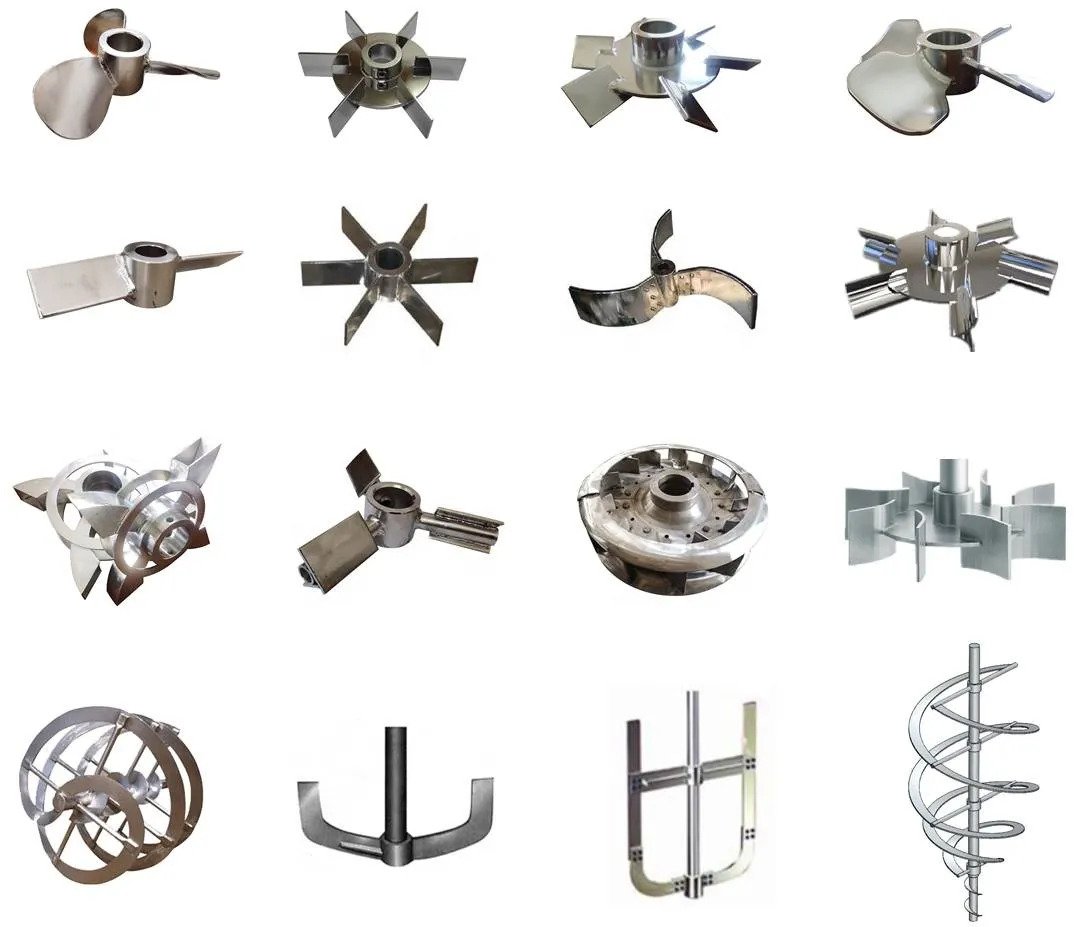
Working pressure is -0.1 to 20 MPa and working temperature up to 350 °C; the lower temperature limit depends on the material and is on request. Stirring speed is 0 to 1200 rpm and heating power 3 to 90 kW. Heating is by thermal oil, steam, electric, electromagnetic or far-infrared heating. Charging is from the top and discharge from the bottom. Agitators are custom propeller, turbine, paddle, anchor, frame or screw belt types, sealed by a magnetic seal or a mechanical seal. The drive is a general DC motor, a DC servomotor or an explosion-proof motor.
Wetted parts are SUS304, SS316L, SS310S, 321, duplex 2205, titanium, nickel, zirconium, Hastelloy C-276, C22, PTFE lining or clad plate. Internals are designed per process: internal condenser, agitator and impeller, dip tube, temperature tube, cleaning device, bottom support and bearing, and gas distributor. Nozzle positions for manhole, liquid, gas and solid inlets, safety devices and vents are set per order.
Options
- Condenser and receiving tank
- Storage vessel and constant pressure feed tank
- Thin film evaporator and short path (molecular) distillation
Specify for your project
- Volume, 1000 L and up
- Working pressure and temperature
- Wetted material
- Heating method and heating power
- Agitator type and motor
- Condensate removal and receiving system
Model Volume, L LEUPRR-1000 1000 LEUPRR-2000 2000 LEUPRR-3000 3000 LEUPRR-5000 5000 LEUPRR-6000 6000 LEUPRR-8000 8000 LEUPRR-10000 10000 LEUPRR-15000 15000 LEUPRR-20000 20000 LEUPRR-25000 25000 LEUPRR-30000 30000 Larger LEUPRR sizes are designed on request.
This description defines the product family. Guaranteed performance, included hardware, exclusions, interfaces and acceptance criteria are stated only in the project-specific technical proposal and approved datasheet.
Main Specification
Type LEUPRR 1000~30,000L Volume(L) 1000~30,000L Working pressure(MPa) Negative pressure -0.1~20 Working temperature(°C) Up to 350℃; lower limit depends on the material, on request Stirring speed(rpm) 0~1200 Motor power(KW) on request Heating power(KW) 3~90 Heating type Heat oil heating, steam heating, Electric heating, Electromagnetic heating, far-infrared heating Charging type Charging from above, discharging from bottom Stirring type Customized propeller, turbine, paddle, anchor, frame, screw belt type. ...etc Seal type Magnetic seal, mechanical seal Motor General DC motor, DC servomotor or explosion-proof motor according to customers’ requirements Construction materials (Wetted parts) Stainless steel SUS304, SS316L, SS310S, 321, duplex steel 2205, Titanium, Nickel, Zirconium, or PTFE lining, Hastelloy C-276, C22, cladding plate Other Accessories Condenser, storage vessel, constant pressure feed tank, receiving tank, thin film evaporator&Short path (molecular) distillation. Condensation polymerization releasing small molecules as by-products such as water or methanol. Because this reaction resulting loss of small molecules which is often water, it’s also called dehydration polymerization. Concentrated Sulfuric Acid is used to process to accelerate reaction. Peptide binding and Ester binding is a typical example of condensation polymerization. Ex) polyamide, polyester, urethane, bakelite
Addition Polymerization
Addition polymerization is a reaction, where many monomer bond together via rearrangement of bonds without the loss of any monomers. This occur in different ways which may be through free radical polymerization, cationic polymerization, anionic polymerization andcoordination polymerization. Ex) PVC, polyethylene, polystyrene Copolymerization Copolymerization is a reaction derives polymer from 2 (or more) monomeric species, as opposed to a homopolymer where only one polymer is used. Common examples of this is a rubber using butadiene and styrene.
It's widely used in chemical industry and fiber industry. Coordination Polymerization Coordination Polymerization is a reaction in which monomer adds to growing macromolecule through an organometallic active center. Coordination type polymers are also stereoregular and can be isotactic or syndiotactic instead of just atactic. Polymerization Pros and Cons of Polymerization Polymerization used in industry is classified as follow : bulk polymerization, solution polymerization, suspension polymerization, emulsion polymerization.
Internal Designing
Internal component design as per customer's requires, including:
- Internal condenser
- Agitator & impeller
- Dip tube
- Temperature measuring tube
- Various functional tube
- Cleaning device
- Bottom support & bearing
- Gas distributor
- Others
Customize for You
Reasonably customize the nozzle port and orientation, including: Manhole, liquid inlet, gas inlet, solid inlet, safety device, vent outlet... etc.
Agitator
- Different impeller type available for specific mixing mission
- Special impeller design according to process condistions
Product Paramenters
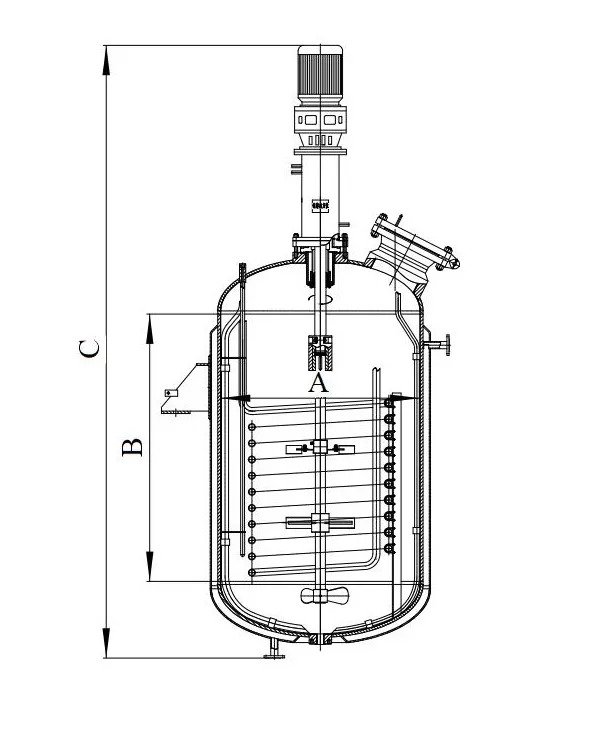
Model No. Vol. (L) LEUPRR-1000 1000 LEUPRR-2000 2000 LEUPRR-3000 3000 LEUPRR-5000 5000 LEUPRR-6000 6000 LEUPRR-8000 8000 LEUPRR-10000 10000 LEUPRR-15000 15000 LEUPRR-20000 20000 LEUPRR-25000 25000 LEUPRR-30000 30000 Note: Larger size and specific data will be designed and confrimed according to your requires!


Related products




| Brand | Coretest |
