Special core analysis


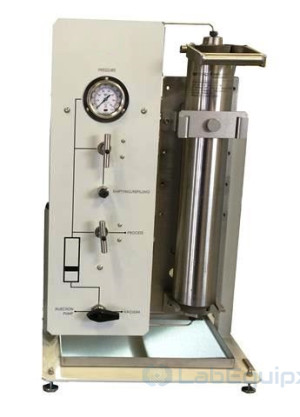
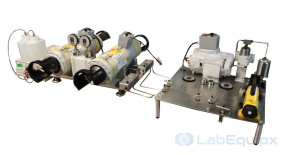
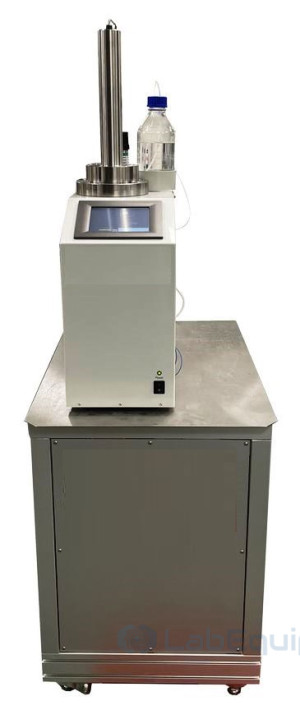
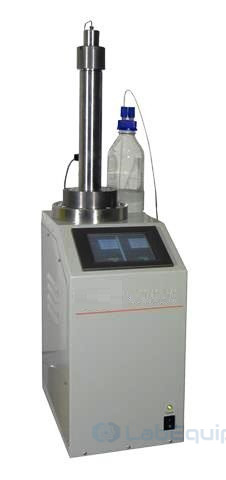
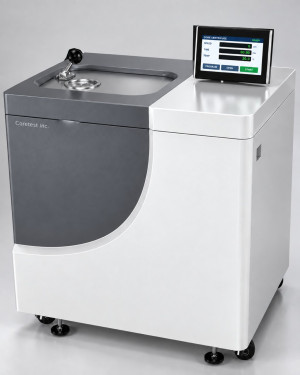
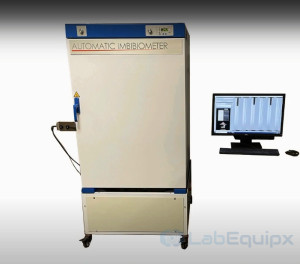




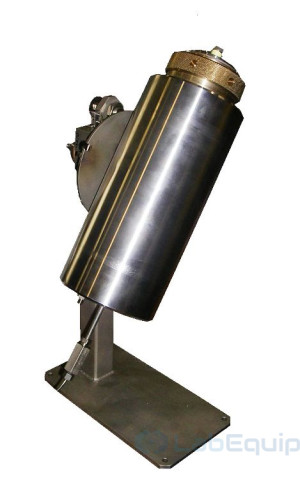


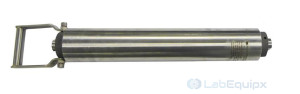
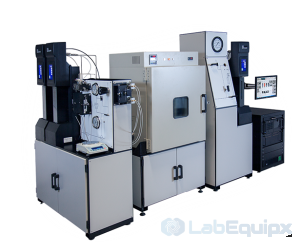
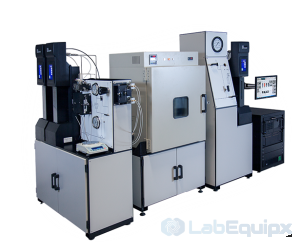


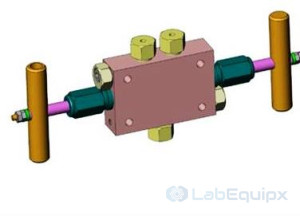
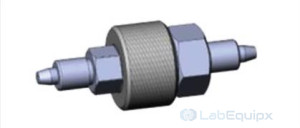

Special core analysis equipment measures how two or three fluids share the pore space of a rock under confining pressure and temperature. SCAL instruments control pore pressure, saturation and stress at the same time and record relative permeability, capillary pressure, wettability and resistivity index. Coretest builds these systems around its own core holders, accumulators and produced-fluid monitoring.
What the range covers
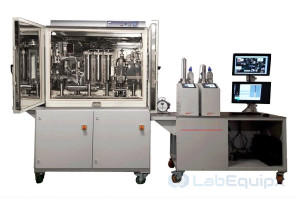
- Relative permeability: unsteady-state, steady- and unsteady-state, and X-ray relative permeameters
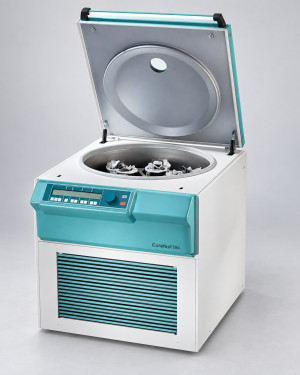
- Capillary pressure: capillary pressure and resistivity system, refrigerated centrifuge, semi-permeable porous discs
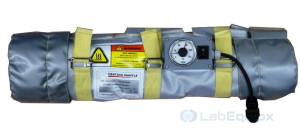
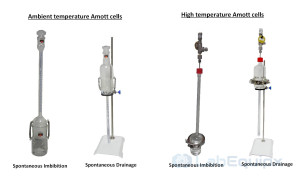
- Wettability: aging cell, Amott cell, automatic imbibiometer, overburden imbibition system
- In-situ saturation: linear X-ray saturation scanner, X-ray computed tomography scanner
- NMR experiments: NMR coreflood system
- Carbon storage: CO2 storage brine relative permeameter
- Core Holders: Hassler, hydrostatic, triaxial, leakoff, X-ray transparent, NMR and resistivity types
- Fluid storage: floating piston accumulators, mixer cylinders, transfer vessels, hydraulic intensifier
- Fluid monitoring: video separators, video tracker, fraction collectors, wet gas meter
- Components and Software (SCAL Petrophysical Software)
Engineering features
The relative permeameters define the reference pressure class. The Steady- and Unsteady-State Relative Permeameter runs at 700 bar (10,000 psi) confining and pore pressure and 150 °C on 1.5 inch cores from 1 to 3 inches long, with injection from 0.005 to 50 cc/min, recirculated fluid phases and production measured at reservoir conditions by a self-calibrated separator. The X-ray version adds saturation profiles along the core.
Capillary pressure is measured by porous plate at reservoir conditions or by centrifuge. The Capillary Pressure and Resistivity System applies -10 to +10 bar capillary pressure at up to 700 bar confining pressure while electrical excitation gives the resistivity index of the same plug. Wettability cells restore native wetting by aging, then follow spontaneous imbibition at ambient conditions or under overburden.
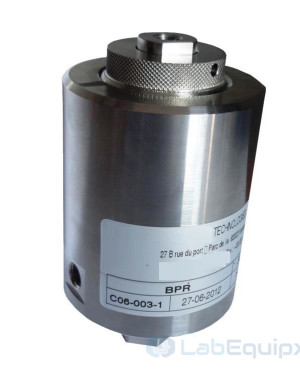
Floating piston accumulators deliver brine, oil and gas at test pressure without contamination, video separators read phase volumes at ambient or HPHT conditions, and back-pressure regulators hold pore pressure. The guide Core Flooding Experiments: Setup, Equipment, and Common Mistakes covers assembly, thermal equilibration and dead-volume errors for this class of setup.
Selecting a configuration
A SCAL system is specified from the test matrix and the fluids. Coretest sets wetted materials, pressure class and measurement channels from these inputs:
- Core diameter and length, and the number of plugs tested in parallel
- Maximum confining and pore pressure, and the net stress held during the test
- Working temperature and whether live fluids must be recirculated
- Fluids and corrosivity: formation brine, live oil, CO2, H2S, polymer or surfactant slugs
- Measurement channels: differential pressure, resistivity, X-ray, CT or NMR saturation, effluent volumes
- Applicable practices such as API RP 40
Typical applications
- Two- and three-phase relative permeability curves for reservoir simulation
- Drainage and imbibition capillary pressure and saturation-height functions
- Resistivity index and Archie parameters for log calibration
- Wettability restoration and Amott index measurement
- CO2 and brine displacement for carbon storage site screening
Reference values above describe the product family. Guaranteed performance, included hardware, exclusions, interfaces and acceptance criteria are stated only in the project-specific technical proposal and approved datasheet.
