Core testing


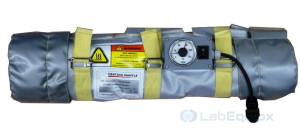
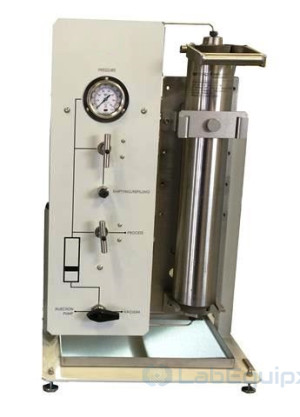
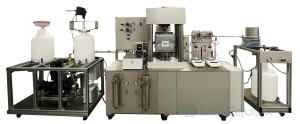
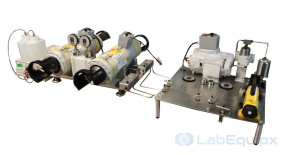
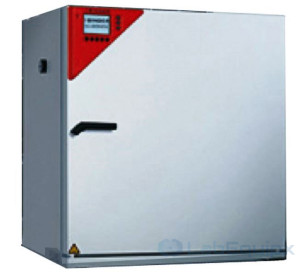
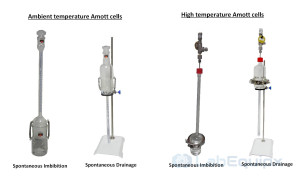
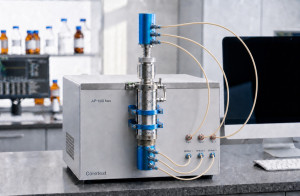
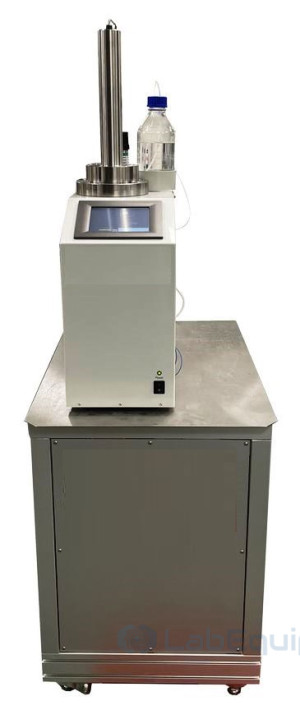
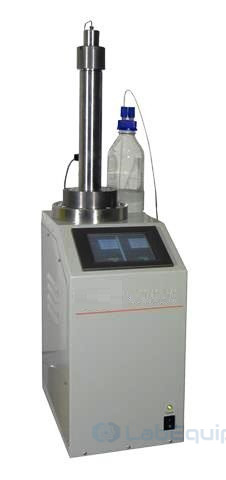
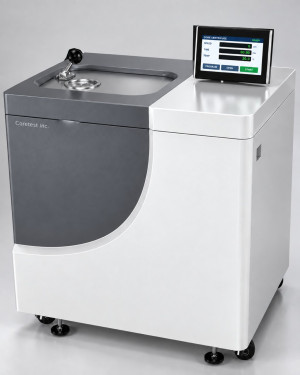
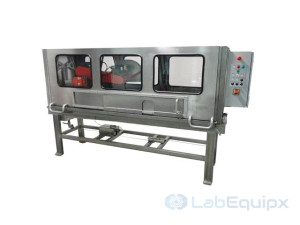
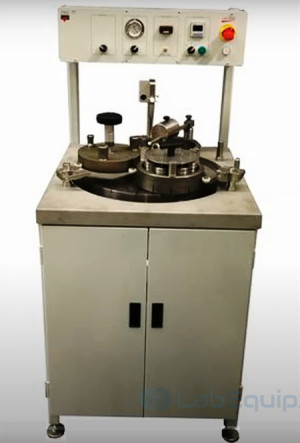
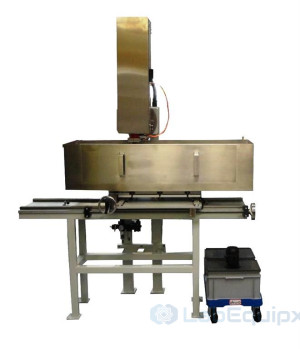
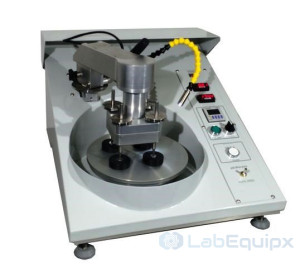

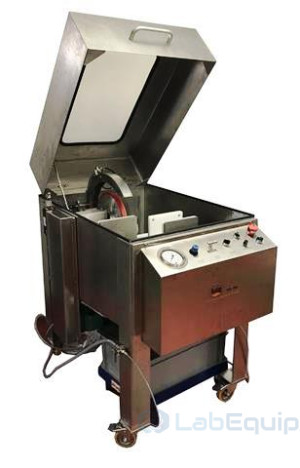
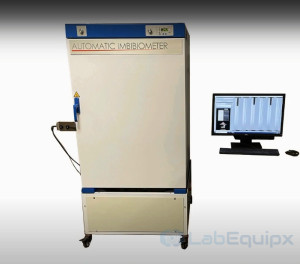
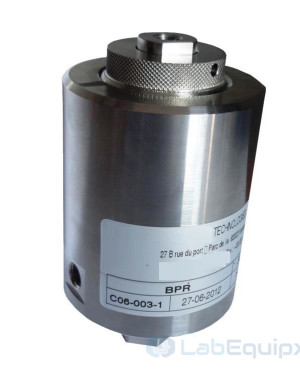
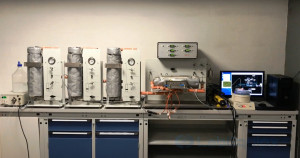
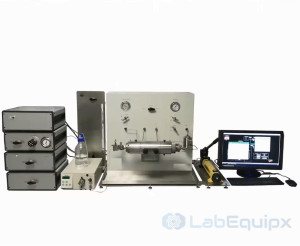
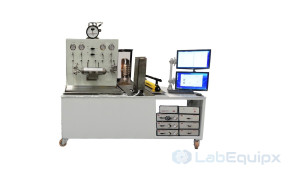
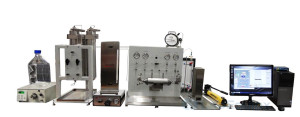
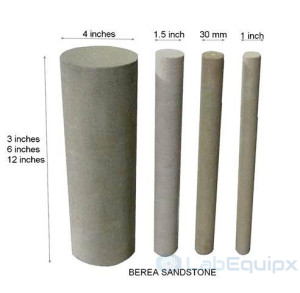
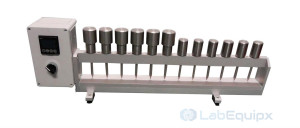
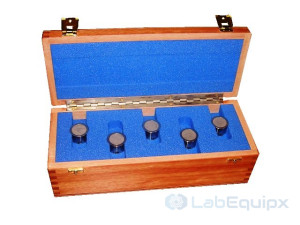


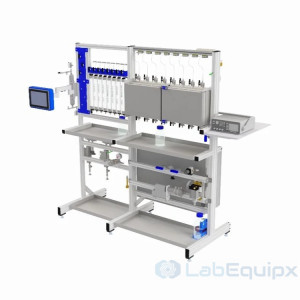


Rock testing equipment from Coretest follows the order in which a core analysis laboratory works. The core is cut, cleaned, dried and saturated; routine porosity and permeability are measured on plugs; selected plugs then move to special core analysis under confining pressure and temperature. Stimulation, formation damage and EOR systems reuse the same core holders, pumps and produced-fluid monitoring.
What the range covers
- Core preparation: inspection, cutting, mounting, cleaning, drying and saturation
- Routine core analysis: porosity, bulk volume, gas and liquid permeability, fluid saturation, electrical properties, natural radioactivity, core photography
- Special core analysis: relative permeability, capillary pressure, wettability, in-situ saturation, NMR, carbon storage, core holders
- Reservoir stimulation: hydraulic and acid fracturing, matrix acidizing, formation damage, brine crystallization
- Enhanced oil recovery: waterflooding, chemical, gas injection, thermal and microbial core flood systems
- Unconventional reservoirs: gas desorption and gas adsorption isotherm
- Geology: thin section and organic geochemistry
- Components: check plugs, Berea samples, porous discs, back-pressure regulators
Engineering features
Core preparation covers the steps before any measurement: slabbing and plugging machines, end-face grinders for plugs and full-size core, Soxhlet, centrifugal, CO2/solvent and flow-through cleaners, humidity and vacuum drying ovens, and manual, automated and overburden saturators. Plug geometry fixed here sets the bore of every downstream holder.
Routine core analysis is built around the AP-608 Neo Automated Gas Permeameter and Porosimeter. It runs an unsteady-state pressure decay per API RP 40, returning Klinkenberg permeability, slip factor and Forchheimer coefficient over 0.001 mD to 5 D and 0.1 to 40 percent porosity on 1.0 and 1.5 inch plugs at 400 to 10,000 psi confining pressure. The methods are explained in the guide Gas Permeability Measurement: Methods, Formulas, and Ranges.
SCAL, stimulation and EOR systems share one pressure class. The Benchtop Core Flood System and the Steady- and Unsteady-State Relative Permeameter run at 700 bar (10,000 psi) confining and pore pressure and 150 °C with Hastelloy or stainless steel wetted parts. Stimulation cells include the Proppant Conductivity Cell to API RP-61 and the Return Permeability Test Apparatus. Assembly and start-up are described in the guide Core Flooding Experiments: Setup, Equipment, and Common Mistakes.
Selecting a configuration
Most laboratories start from a list of required measurements and a plug size. Coretest configures each instrument from these inputs:
- Sample diameter and length: 1 or 1.5 inch plugs, full-diameter core
- Confining and pore pressure range for each test stage
- Temperature: ambient routine work or heated SCAL, reference 150 °C
- Fluids and corrosivity: brine, live oil, CO2, H2S, acids, steam
- Measurement channels: differential pressure, resistivity, X-ray or NMR saturation
- Automation level, from manual saturators to automated permeameters
- Standards such as API RP 40 and API RP-61
Typical applications
- Routine core analysis on exploration and development wells
- Relative permeability and capillary pressure as simulation input
- Formation damage, return permeability and proppant conductivity
- Waterflood, chemical, gas and thermal EOR screening
Reference values above describe the product family. Guaranteed performance, included hardware, exclusions, interfaces and acceptance criteria are stated only in the project-specific technical proposal and approved datasheet.
