High-pressure reactors
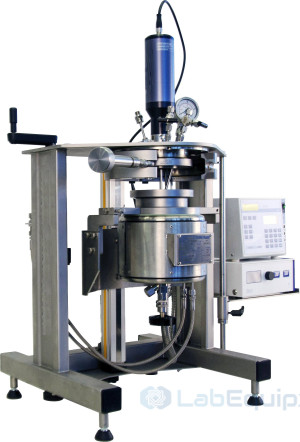
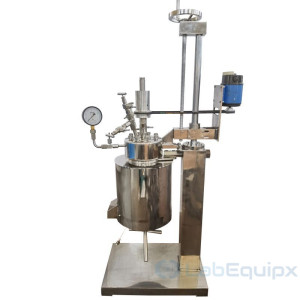
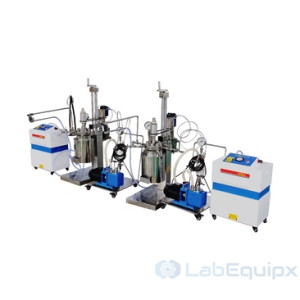
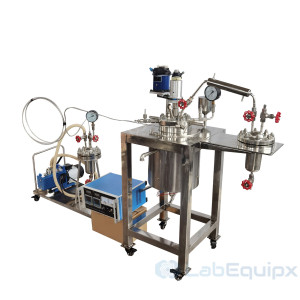
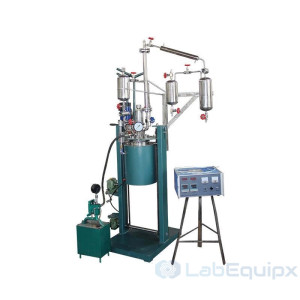
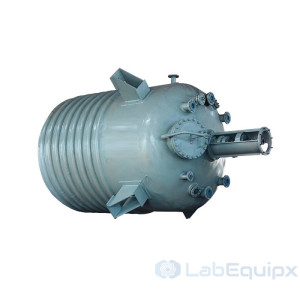
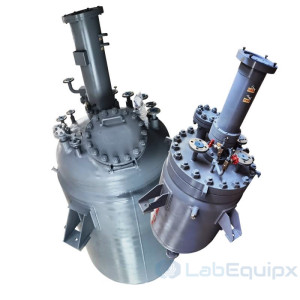


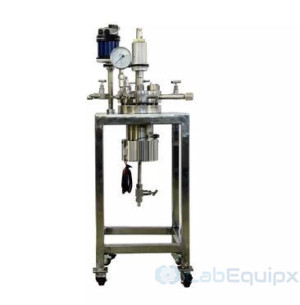
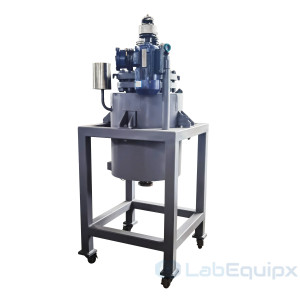
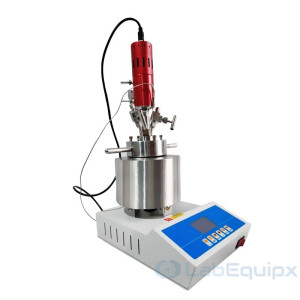
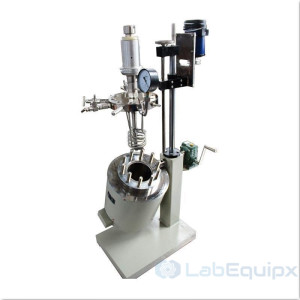
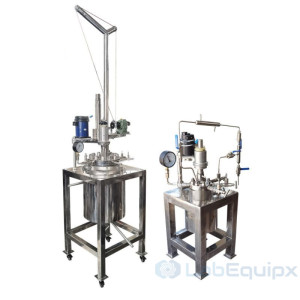
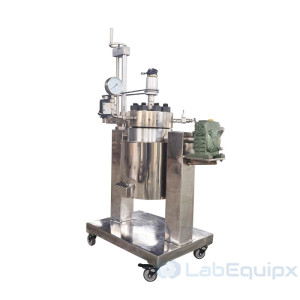
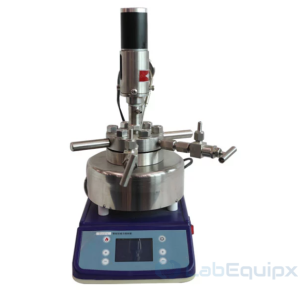
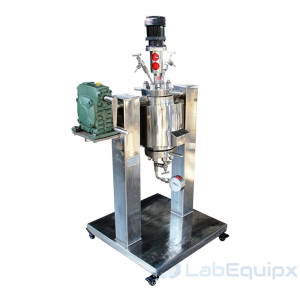
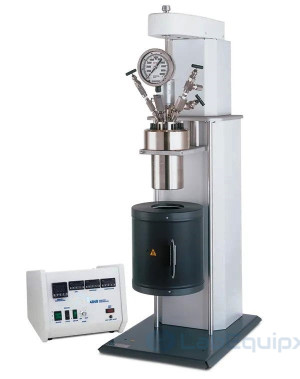
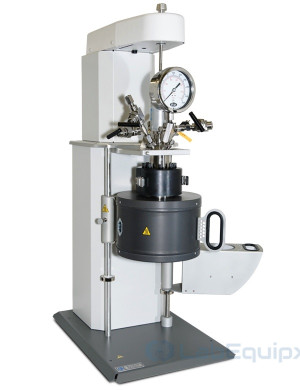
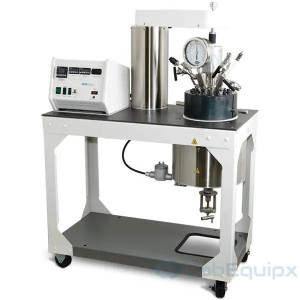
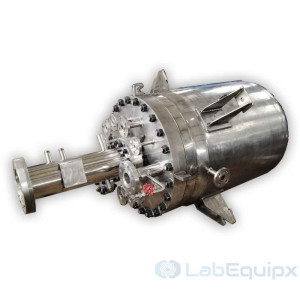
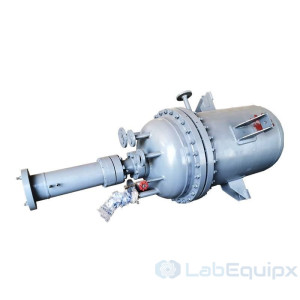
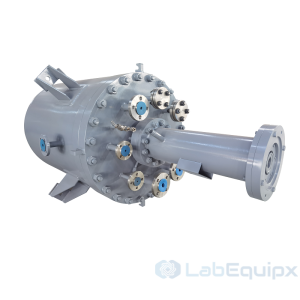
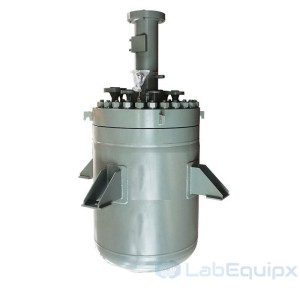
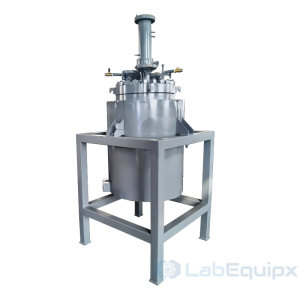
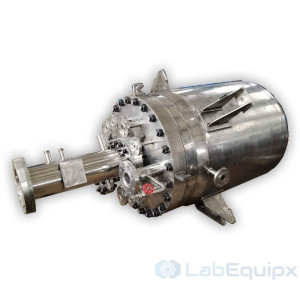
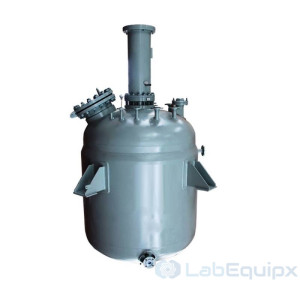
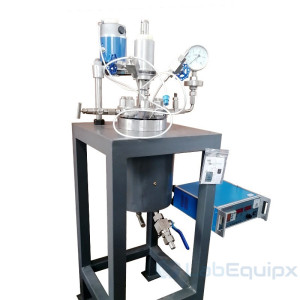
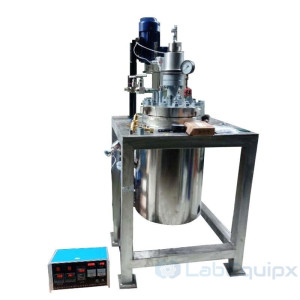
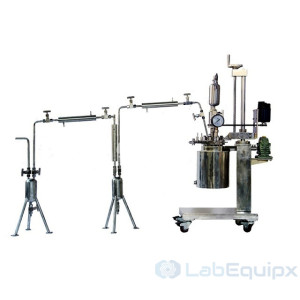

High pressure reactors in this range are stirred batch vessels for chemical reactions under gas pressure and heat, from bench to pilot scale. They serve catalysis, hydrogenation and polymerization groups, petroleum and corrosion laboratories and process development teams. Coretest supplies vessel, stirrer drive, heater and controller as one assembly, with the wetted alloy and ports chosen for the medium.
What the range covers
- HPR-4540, HP/HTR-4570 and HP/HT-4580 Series stirred reactors, 250 mL to 5500 mL, to 5000 psi (345 bar) and 500 °C
- Midiclave High Pressure Reactor, 0.1 to 1.0 L, full vacuum to 200 bar, -20 °C to +300 °C
- Fast Opening/Closure, Head Lift & Vessel Rotate, Mini Stirred and Miniature Mechanical Stirring laboratory reactors
- Hastelloy Clad, Zirconium Cladding and Anti-Corrosion Stirred Autoclave reactors
- Magnetic Coupling Drive Batch Autoclave Reactors, 50 to 500 L, and Pilot High Pressure Reactor with Elliptical Closure Head
Engineering features
The pressure boundary is a cylinder and head in Type 316/316L stainless steel, with Alloy C-276, Alloy 600, Alloy 625, titanium and zirconium for all wetted parts. Laboratory sizes use a split-ring closure with compression bolts and a confined flat gasket, PTFE to 350 °C or flexible graphite to 500 °C. Quick-opening heads with lift and tilt, and elliptical flanged heads, serve frequent opening and larger volumes.
Agitation is through a magnetic drive coupling, so no packing gland or dynamic seal sits on the shaft. Coupling torque runs from 16 in-lb on laboratory drives to 60 in-lb on the 4580 vessels. Heating is by Calrod or ceramic heaters on laboratory units and by electric or thermal oil jacket on pilot vessels, with a cooling coil for exotherms.
Each head carries a pressure gauge, rupture disc, gas inlet and vent valves, dip tube and thermowell. A PID controller holds temperature from a thermocouple or Pt100 and sets stirrer speed. Options include liquid samplers, catalyst baskets, condensers, gas measurement systems, windows, liners and bottom drain valves.
Selecting a configuration
Reactor sizing starts from the process, not from a catalog number. A proposal needs:
- Working volume and minimum stirrable volume
- Maximum pressure and temperature, and whether both occur together
- Medium, corrosivity, hydrogen or oxygen service
- Agitation duty: viscosity, solids, gas entrainment, speed
- Heating method and cooling requirement
- Controls: manual panel, PID with logging, or PC-based
- Certification: ASME U Stamp or PED, CE or CSA electricals, explosion-proof motor
Typical applications
- Catalytic hydrogenation and catalyst evaluation
- Polymerization and hydrothermal synthesis
- Oxidation, chlorination and gas-liquid reactions
- HPHT corrosion and materials testing
- Biomass conversion research
- Small batch production in kilolabs
Reference values above describe the product family. Guaranteed performance, included hardware, exclusions, interfaces and acceptance criteria are stated only in the project-specific technical proposal and approved datasheet.
