Send a request
Gas hydrates autoclave system
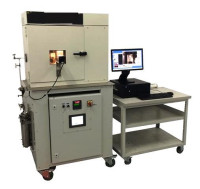
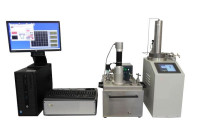
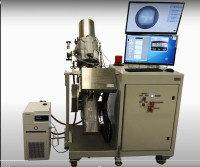
Gas hydrate formation, dissociation and induction time can be investigated in a constant-volume cell holding 250 cc. The cell is rated to 3,000 psi and operates without mercury. Falling pressure during hydrate formation provides the measurement used to follow the process. An image-recording system also supports visual examination of the hydrate phenomena.
A thermostatic bath controls cell temperature, while a thermocouple measures it with an accuracy of 0.1°C. A high-accuracy pressure transducer monitors conditions inside the cell. The acquisition system continuously shows both temperature and pressure readings. A stirrer with magnetic drive and adjustable speed mixes the contents thoroughly. Experimental images come from an integrated stethoscopic camera.
This description defines the product family. Guaranteed performance, included hardware, exclusions, interfaces and acceptance criteria are stated only in the project-specific technical proposal and approved datasheet.
Technical data
- The pressure rating is 3,000 psi.
- The cell holds 250 cc.
- The temperature interval extends from -10°C to 60°C.
- Pressure readings have an accuracy of 0,1% of full scale.
- Temperature readings have an accuracy of 0.1°C.
- The stirrer uses a magnetic drive.
- The stirring speed has an upper limit of 1000 RPM.
- Power input requires 220 VAC at a frequency of 50 Hz.
Operation and applications
- Pressure and temperature are measured accurately.
- Captured video images remain available for retrieval after the experiment.
- The instrument operates without mercury.

| Brand | Coretest |
