Send a request
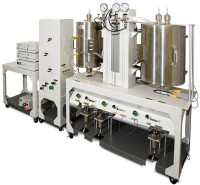
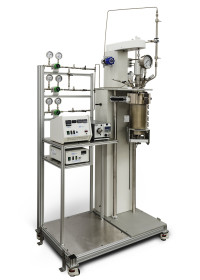
Power Compensation Reaction Calorimeter
The Power Compensation Reaction Calorimeter determines process power and reaction enthalpy by measuring the electrical energy needed to hold a reaction at constant temperature. This technique provides a direct way to quantify heat released or absorbed during a process.
The reaction vessel has a circulating jacket and operates under isothermal control. Jacket temperature is normally set slightly below the required reaction temperature. An electrical heater inside the vessel, called the compensation or trim heater, regulates the process temperature. As the process heat load changes, the controller varies the electrical power to this heater automatically to keep the selected temperature.
The difference between the initial heater power and the electrical demand at the measurement time represents the heat liberated or absorbed by the process. The method is used where rapid results are needed. Thermal equilibrium is generally reached sooner than in heat-flow or heat-balance calorimeters. This faster response makes power compensation useful for measuring heat flow from reactions of short duration.
This description defines the product family. Guaranteed performance, included hardware, exclusions, interfaces and acceptance criteria are stated only in the project-specific technical proposal and approved datasheet.
Reaction calorimetry supports these measurement objectives:
- Investigate the factors that affect reaction mechanisms and reaction kinetics.
- Track the reaction in real time to confirm when it has finished.
- Determine the cooling power required to keep process conditions safe and effective.
Three main assemblies are required to provide this capability:
- A jacketed reaction vessel connected to a circulating bath held at constant temperature.
- A trim or compensation heater of suitable size and configuration, connected to a regulated power supply.
- A process controller that coordinates and controls the operation of the complete system.
An example of power compensated calorimetry used a jacketed reactor with an internal volume of 1.2 L, filled halfway with water. Measurements were collected at one minute intervals as the set point bias was toggled by 1.5 C. The example recorded the transient temperature changes in the reactor.




| Brand | Coretest |
