Send a request
Conventional Jacketed High Pressure Vessels
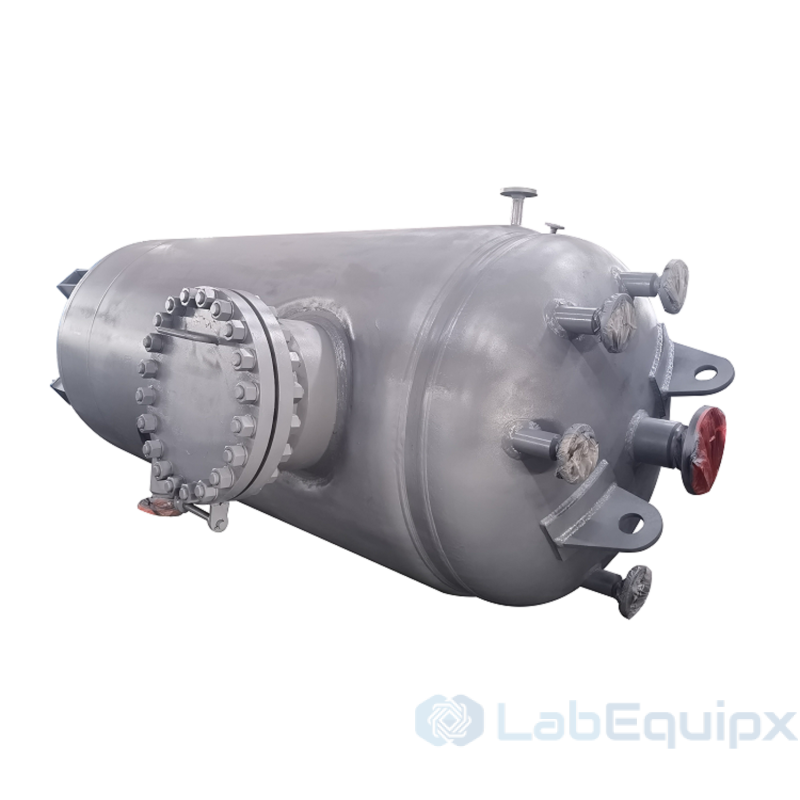
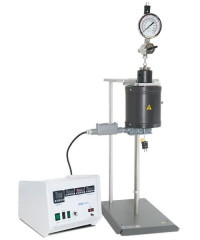
A pressure vessel holds liquids, vapors or gases at a pressure well above or below ambient. The LECJHPV series adds a conventional jacket to such a vessel so the contents can be heated or cooled. Petrochemical, oil and gas, chemical and food processing plants use these vessels as reactors, flash drums, separators, heat exchangers and storage. The range covers 100 L to 200 m3, -1 to 200 bar and -40 to 350 °C.
Design
Shell thickness follows working pressure: the base plate is 6 to 160 mm. Above 16 mm, clad plate is considered, with the base material for strength and a 3 to 10 mm clad layer for corrosion resistance. Shell material is carbon steel, stainless steel, or alloy lined; Hastelloy, Monel and Inconel are offered.
- Jacket: dimpled, half-pipe or standard
- Heating: oil electric heating, oil heating, steam heating
- Heads: semi-elliptical, dished, hemispherical, flat
- Shape: vertical or horizontal
- Support: lugs or floor stand legs
Options
Internal cooling coil, vent port, liquid or powder charging, dip tube, thermowell, safety rupture disc, pressure safety valve, flush bottom outlet, baffles, light and sight glass, handhole or manhole, and internal and external finishes.
Operating limits
Every vessel must run within its design temperature and pressure, which are its safety limits. Design, construction and testing follow pressure vessel regulations, since a release of the contents endangers the surroundings. Size limits are 16 m length, 6 m diameter and 200 tons. Larger diameters are built on site; units over 200 tons or 40 m total length are shipped in segments and field welded.
Specify for your project
- Vessel duty: reactor, separator, flash drum, heat exchanger or storage
- Volume, 100 L to 200 m3
- Design pressure (-1 to 200 bar) and temperature (-40 to 350 °C)
- Heating medium and jacket type
- Material and cladding
- Nozzles and safety devices
This description defines the product family. Guaranteed performance, included hardware, exclusions, interfaces and acceptance criteria are stated only in the project-specific technical proposal and approved datasheet.
Features
- Large scale industrial scale production;
- GB and ASME design and manufacture certification on request.
- Max pressure: 200 bar; Max temperature up to 350 ℃;
- We offer carbon steel, stainless steel, or most exotic alloys such as Hastelloy, Monel, or Inconel;
- When the pressure is large, cladding plates could be considered, including base material for strength and clad material for anti-corrosion.
- Internal cooling coil, vent port, liquid / powder charging, dip tube, thermowell, safety rupture disc, pressure safety valve, flush bottom outlet, baffles, light & sight glass, handhole / manhole etc.
- We offer various internal and external finishes for our products.
- Lugs or floor stand leg support.
Each pressure vessel must be operated within its design temperature and pressure, which is the pressure vessel‘s safety limits. The design, construction, and testing of pressure vessels are extensively carried out by knowledgeable personnel and are governed by regulations because the accidental release and leakage of its contents is a danger to its surrounding environment.

Parameters
Norminal volume 100L-200 m3 Material Carbon steel, SS, other alloy lined Design pressure -1-200 bar Design temp. -40-350°C Base Thickness 6-160mm Clad Thickness 3-10mm Max Length 16 m Max Diameter 6 m Max weight 200 tons Shape Vertical or horizontal Head type Semi-elliptical, Dished type, Hemispherical, Flat type Jacket Dimpled, Half-pipe, Std. Heating type Oil electric heating: Oil heating; Steam heating Note: If the diameter exceeds 6,000mm, it need to be fabricated on the site. If the unit weight exceeds 200tons or the total length exceeds40m, segmented transport and field welding will be required.
Related products




| Brand | Coretest |
