Send a request
LELHRSPP
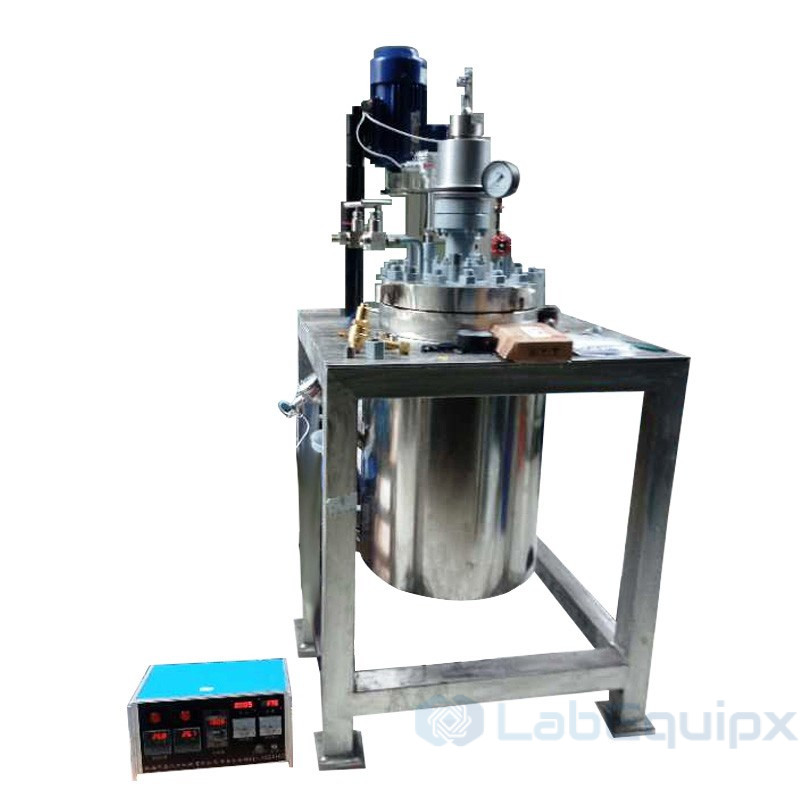
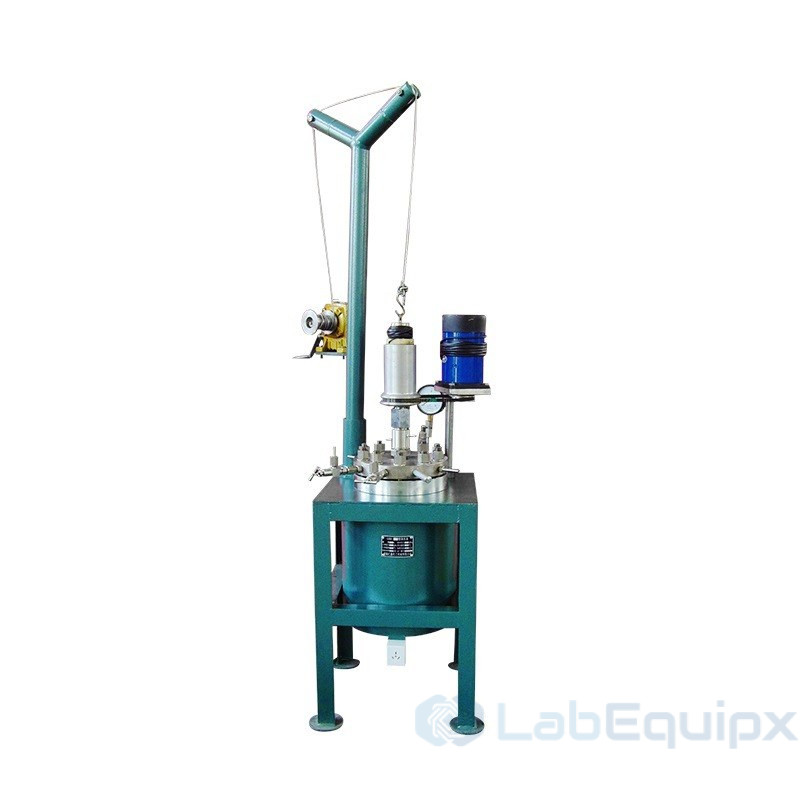
Lab Hydrogenation Reactor System and Pilot Plants LELHRSPP
Lab Hydrogenation Reactor System and Pilot Plants LELHRSPP - the hydrogenation system usually involves a three-phase slurry, the solid catalyst in slurry phase and the hydrogen bubbles as the gas phase.
As there are a number of phase boundaries the mass transfer, and especially the hydrogen dispersion, is a very factor. The mixing system that is employed in the reactor influences the mass transfer coefficient of the gas-liquid transfer greatly.
Features
- Low to high torque magnetic couplings: static seal with no leakage.
- The latest gas self-aspiring tech. for gas-liquid-solid phase efficiency mixing.
- Complete gas consumption; High productivity; Uniform suspension of the catalyst.
- Lab to pilot scale production.
- Max pressure: 300 bar; Max temperature up to 500 ℃
- Available material:SS304, SS316, Titanium, Nickel, Hastelloy B/C, Monel, Zirconium, Inconel, Tantalum.
- Low to high torque magnetic couplings: static seal with no leakage.
- Complete gas consumption; High productivity; Uniform suspension of the catalyst.
- Gas self-inducing impeller; Flat blade turbine impeller; Axial impeller;
- Customized according to customers requirement.
Standard Specifications
- Capacity: 0.5L~500L
- Main material:SS304, SS316,Titanium, Nickel, Hastelloy B/C,Zirconium
- Pressure: Hydrogenation at 1 ~ 300 bar
- Temperature: -20~500℃
- Sealing type: Magnetic coupling drive
- Heating type: Oil electric heating
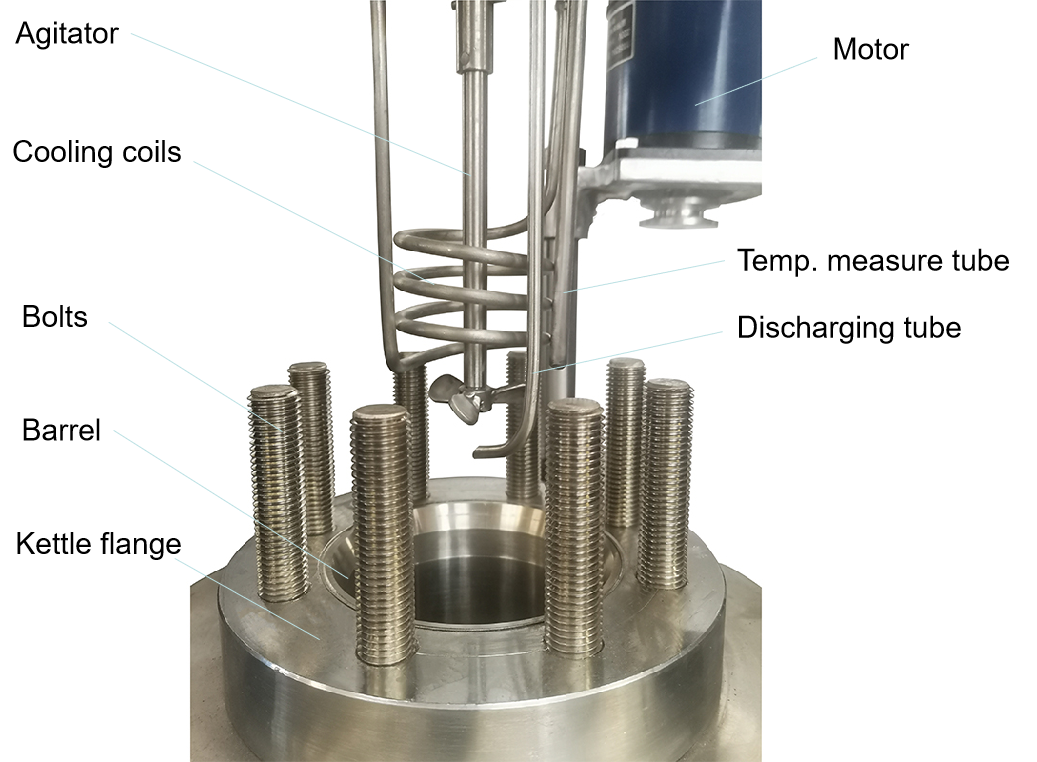
- Standard fittings: Pressure Gage; Thermocouple; Internal Stirring System; Liquid inlet and gas inlet with needle valve;Gas Release Valve; Dip Tube; Safety Rupture Disc; Cooling Coil
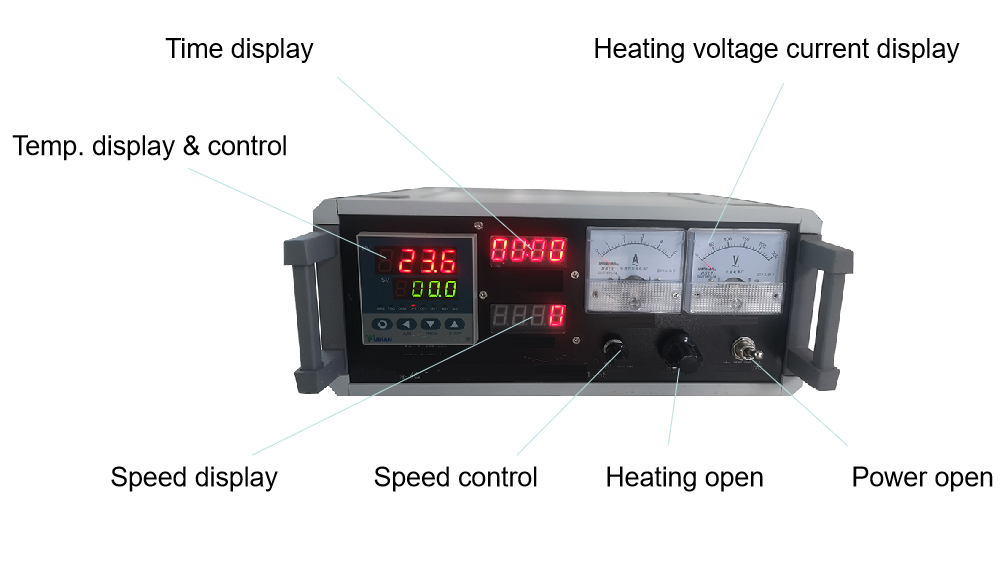
- Control system: Control / display of pressure, temperature, stirrer speed; Automatic functions as Nitrogen purging, inertisation; Sequence program (including venting valve) to define automated process steps with possibility to link these
Control System
Internal Components


| Model | LELHRSPP |
| Brand | LabEquipx |
