Send a request
LERMCR
Rotary Mechanisms For Chemical Reactor LERMCR
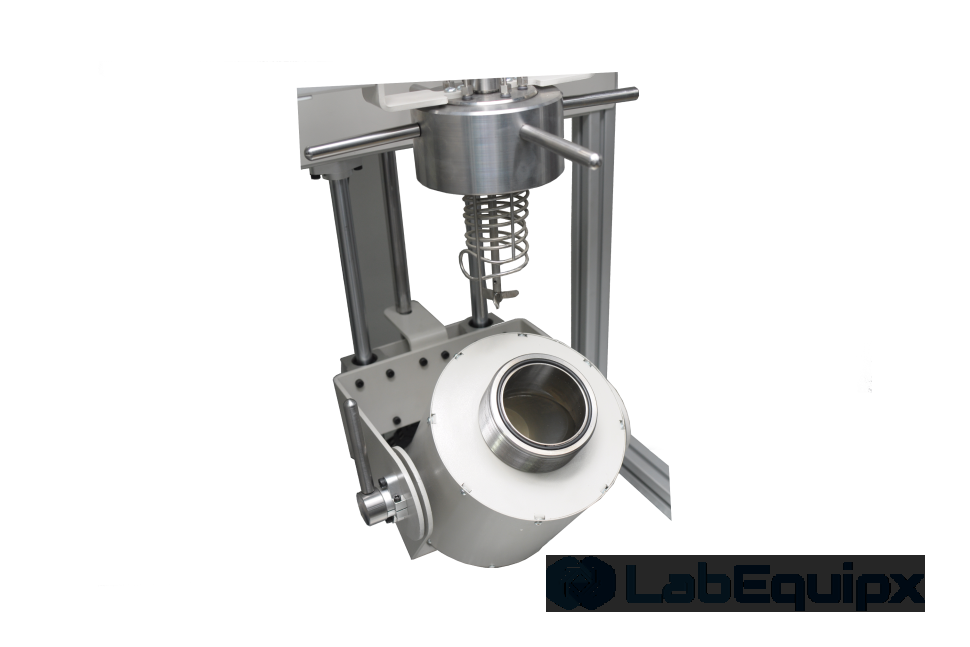
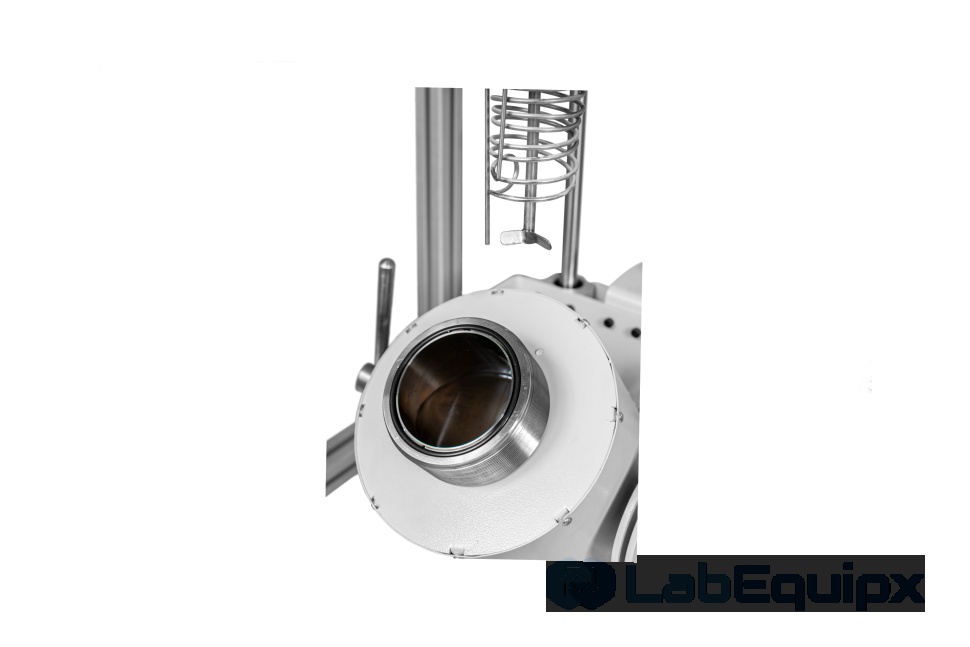
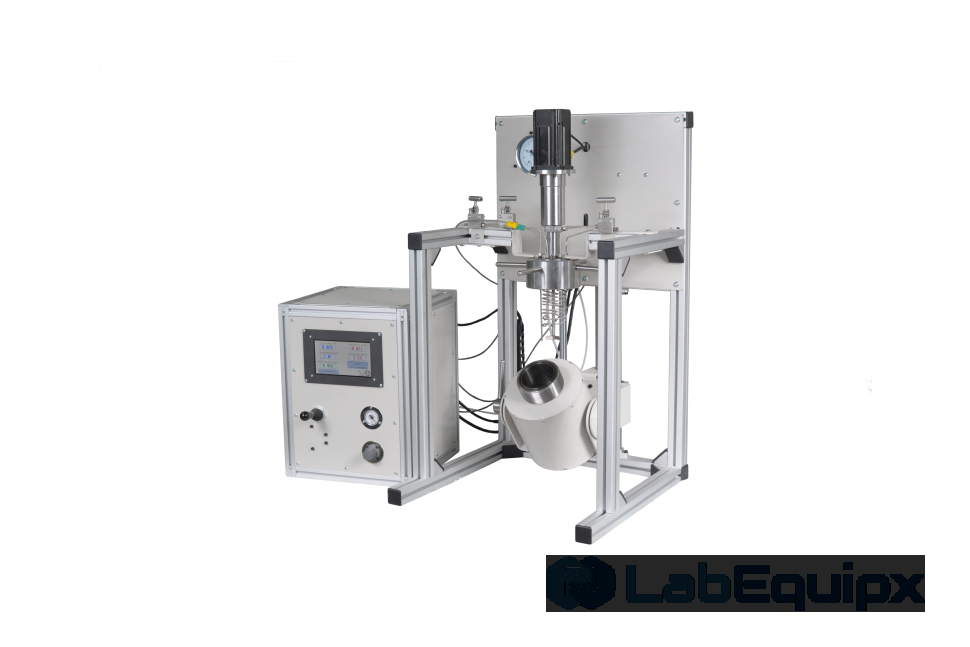
The rotary mechanism for a chemical reactor allows for both the rotation of the reactor vessel separately and the rotation of the closed autoclave during the experiment. The ability to rotate significantly simplifies the operation of the installation. To remove liquids from the reactor, it is not necessary to remove the reactor vessel from the heating jacket; it is enough to tilt the vessel.
The rotary mechanism allows for mixing fluids of different densities without the use of a stirrer. Upon flipping, the fluid with lower density will move upwards. Under certain thermobaric conditions, mixing is possible. Flipping the rotating part of the installation is possible under conditions of high temperature and pressure.
The rotary mechanism for the chemical reactor is made of corrosion-resistant materials. This ensures that during operation, in the event of aggressive media coming into contact with unprotected parts of the mechanism, damage can be avoided.
Specifications:
- Rotation angle (°) - 180
- Possibility of rotating the body - present
- Material - SS 316/Has C276/Titan
- Handle for rotation - present
Features:
- Ability to flip the autoclave as a whole during the experiment
- Ability to rotate the reactor vessel independently of the installation
- 180-degree flip
- Convenient handle for adjusting and fixing the rotation angle.
Independent vertical movement
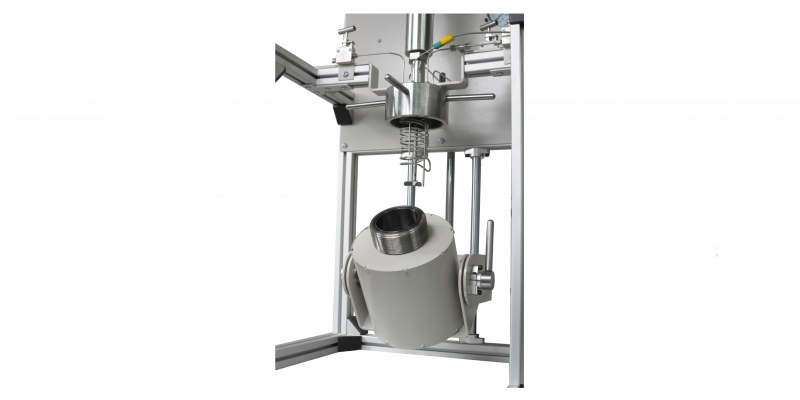
The entire rotary mechanism has the ability to move vertically. The lifting mechanism moves the reactor vessel along the vertical axis, which provides convenient loading of the material into the reactor vessel.
VERTICAL GUIDES
Vertical guides of the rotary mechanism provide movement of both the reactor vessel and the entire assembly (depending on the configuration) along the vertical axis.
TURNING HANDLE
The turning handle allows the operator to safely tilt and fix the vessel at a certain angle.
ROTARY FRAME
The rotary frame secures the reactor vessel relative to the entire mechanism. The frame is equipped with bearings that provide smooth movement during tilting.
| Model | LERMCR |
| Brand | LabEquipx |
